West Ealing removals for homes and businesses
West Ealing removals should feel organised, careful and straightforward from the first call through to the last item carried inside. Our work covers household moves, office relocation support and practical removal services planned around the property, access and the contents being moved. If you need a team that can manage furniture, cartons and heavier pieces with methodical handling, this service is built to keep the process clear.
We work across a broad mix of moving jobs rather than forcing every customer into the same approach. Some moves need full-load transport, while others are better suited to a smaller van and a few helping hands. We can also help with packing and unpacking where a move needs extra preparation. If you already know the basics and want to compare options, take a look at our pricing and quotes page for a better sense of how jobs are assessed.
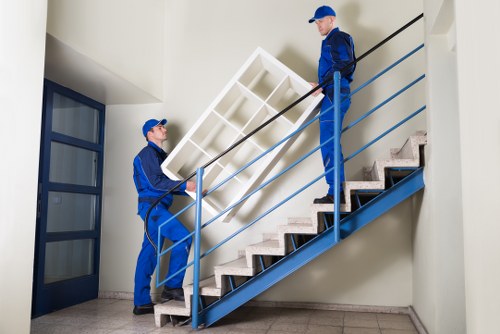
For many customers, the most useful part of a removals service is not just transport but the way the work is sequenced. We can plan loading so fragile items, awkward furniture and everyday boxes are handled in a sensible order, and we can adapt to properties with stairs, tight hallways or limited access. When you are ready, contact us to request a quotation.
Home removals planned around the property
Home removals often involve more than simply moving possessions from one address to another. Rooms may contain a mix of furniture, books, soft furnishings, kitchen items and smaller belongings that all need different handling. Our home moving work is suited to customers who want a practical, orderly service that can take the load off moving day without making unnecessary assumptions about the size or style of the job.
Within a home move, the details matter. A wardrobe may need to be protected before lifting, a table may need to be carried as a single item, and boxed contents may need to be stacked so they remain stable in transit. We aim to keep the process measured and sensible, with the lifting, carrying and loading arranged to reduce avoidable stress on the property and the items themselves. If you are comparing approaches, our home moves page is a useful place to start.
Choosing the right moving support
A home removal can be arranged in different ways depending on access, distance and the amount of furniture involved. A compact load may suit a smaller service, while a fuller household move may need more space and a clearer loading plan. Where helpful, we can provide support with dismantling and reassembly of selected furniture, though the exact scope should always be confirmed in advance so the move is scheduled properly and nothing is assumed. For a wider look at the different ways this work can be set up, see our house removals page.
Packing and moving preparation

Packing is often the part of moving that benefits most from careful preparation. Well-packed boxes are easier to lift, easier to stack and less likely to shift during transport, especially when they contain mixed items. Our packing and unpacking service is there for customers who would rather hand over some or all of that work, whether the aim is to save time, avoid heavy lifting or make a larger move more manageable.
Good packing is not about filling boxes quickly. It is about selecting the right container for the right contents, separating items that should not rub together and using an order that makes unloading easier at the far end. Delicate items usually need more padding and more thought than standard household goods, while books, documents and kitchenware each create their own practical considerations. You can read more about this support on our packing and unpacking services page.
To make a quotation more accurate, it helps to know which rooms contain the largest items, whether any furniture needs dismantling and whether boxes are ready to move or still need packing. It is also useful to mention access points, parking limits and any items that need especially careful handling. For a general overview of our broader service range, the removal services page sets out the kinds of work we can cover.
Office relocation and business moves
Office relocation work calls for a different rhythm from a home move because furniture, equipment and paperwork often need to be handled in a way that supports business continuity. Desks, chairs, storage units and boxed files all need to be loaded and delivered in a controlled sequence, and the move may need to be timed so the workspace can reopen with minimal disruption. We provide office removals that are intended to keep that practical side of the move simple.
Commercial moves may also involve a mix of items that are bulky but not fragile, alongside equipment that should be packed and transported more cautiously. The best approach depends on the layout of the premises and the type of contents being relocated. If your business move involves a full office or a smaller workplace, our commercial moves page explains the service category in more detail. We can also support more focused projects through our office relocation services.
Making business removals workable
Good planning matters in office work because time windows can be tighter and the order of loading may matter more. Files, monitors, small furniture and common area items often need to be grouped so they reach the new location in a usable way. A sensible move plan also considers lifts, corridors, delivery access and any items that should be moved last so the workplace remains functional for as long as possible. For customers wanting a general starting point, the office removals page is a sensible next step.
Vehicle and loading options for removals

Different jobs call for different transport options, and that is one reason removal services should be flexible. A smaller collection of items may be well suited to a man and van arrangement, while a larger household or office move can benefit from a bigger vehicle and a more structured loading plan. The right option depends on the volume of belongings, the number of stops and how much help is needed at each end.
We can support a range of load types, from furniture pick-up work to more complete removals that require a dedicated van or truck. It is not just about size; it is also about how the load is arranged and whether there are items that need to be kept upright, separated or secured with extra care. If you are weighing up the most appropriate option, our man and van page gives a clear indication of one of the common service formats, while moving van and moving truck show the transport-based options available.
When a move includes awkward furniture or multiple access points, vehicle choice can make a difference to how smoothly the day runs. A well-matched van size can reduce unnecessary handling, and the loading sequence can be arranged to suit the destination rather than forcing everything into one rigid pattern. For those exploring more compact service styles, man with van and man with van removal are both useful pages to review.
What can be moved safely and efficiently

Removal work often includes a mixture of heavy, awkward and everyday items, each of which needs its own handling plan. Sofas, beds, wardrobes, tables, white goods, packed boxes and storage pieces may all be part of the same job, but they are not all moved in the same way. Our aim is to keep the work practical and controlled so the loading order supports both safety and efficiency.
For some customers, the priority is moving large furniture without damage. For others, it is making sure boxed belongings stay grouped sensibly and are unloaded in a logical way at the destination. Where suitable, items may be wrapped, bundled or dismantled so that doors, stairs and turns can be negotiated more easily. If you want to see the broader range of removal formats we can cover, our removals page gives a general overview, and house removalists is another related service page.
One of the benefits of an organised removal is that it keeps the day understandable. A few minutes spent assessing what is being moved can avoid confusion later when the larger items need to go first, or when a fragile box should not be placed beneath a heavier load. That kind of attention is particularly useful where there are tight corners, shared entrances or a mix of household and business contents in the same move.
Preparing for the quotation
To request a quotation, it helps to describe the main contents, the property type and the access at both ends. Mentioning whether the move is a flat, house or office gives a better starting point, as does explaining whether there are lifts, long carries or parking restrictions. These details help us judge how the work should be arranged without needing to overcomplicate the first enquiry.
A simple list is often enough at the quotation stage. You might note the largest pieces of furniture, the number of rooms involved, any packing that still needs doing and whether the job is part-move or full-move. If there are delicate or unusually shaped items, flagging them early helps ensure the right approach is discussed from the outset. For more detail on how costs are considered, see our pricing and quotes page.
When you are ready, the easiest next step is to make a clear enquiry. You do not need a perfectly polished inventory before you get in touch; a sensible summary is usually enough to begin. If you want to compare support options before that, the removal company page can help frame the service in broader terms. For direct contact, contact us and ask for a quotation.
About West Ealing
West Ealing is a district in the London Borough of Ealing in west London, shaped by its place on the western side of the broader Ealing area and by its links to the surrounding parts of the capital. The district has long been influenced by transport, especially the railway corridor that helped turn what was once more open suburban land into a settled urban neighbourhood. Today its streets form a varied mix of Victorian and later housing, local shopping parades and civic buildings, with the area’s identity tied closely to both everyday residential life and the wider borough centre. Green spaces are part of that character too, with the Brent River Park corridor and nearby parks giving the district a more spacious feel than its urban setting might suggest. West Ealing also sits near landmarks and institutions associated with Ealing more broadly, including places of worship, schools, libraries and cultural venues that reflect the area’s long-established residential and community role. The neighbourhood’s high street remains an important local axis, while the surrounding roads carry a mixture of small businesses, flats and family homes. Taken together, these features make West Ealing a place that feels both connected and distinctly local, with its own rhythm within west London.
Household removals with practical options
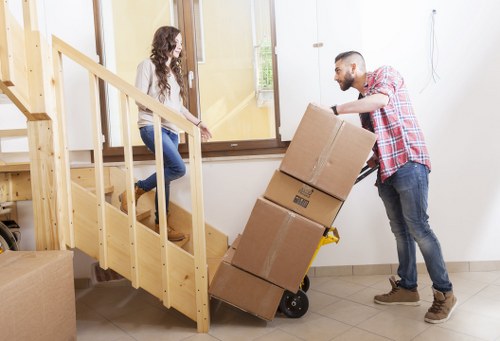
Household removals can be organised in several ways depending on what is being taken, how much is packed and how much help is needed on the day. Some customers need a straightforward move from one property to another, while others want support with loading, transport and unloading only. We can work with both smaller and fuller house moves, keeping the service focused on the items that actually need to go rather than pushing a one-size-fits-all arrangement.
There is also room to tailor the service around the furniture in the home. Beds, wardrobes, drawers, sofas and appliances often require a different order of handling from everyday boxes and soft items. A careful plan helps protect the property as well as the contents, especially where stairs, narrow halls or shared entrances are involved. If you are comparing this type of support with broader household options, our house movers page gives another helpful view of the service.
Using the service in a sensible way
Many people find it useful to separate the move into what should be prepared in advance and what can be handled on the day. Boxes that are already sealed, furniture that needs dismantling and items that need extra care can all be identified early so the work flows better. Where needed, we can also discuss whether a removals van or another transport approach is the best fit. If you want a more general comparison of vehicle-based support, see our removals van page or the related removal van page.
Service standards and useful planning notes
Good removals work depends on more than lifting and transport. It depends on clear assumptions, sensible timing and an understanding of what is actually included. That is why we keep the service centred on the move itself: getting the right items ready, moving them in a suitable order and making sure the job is planned against the property layout rather than against guesswork.
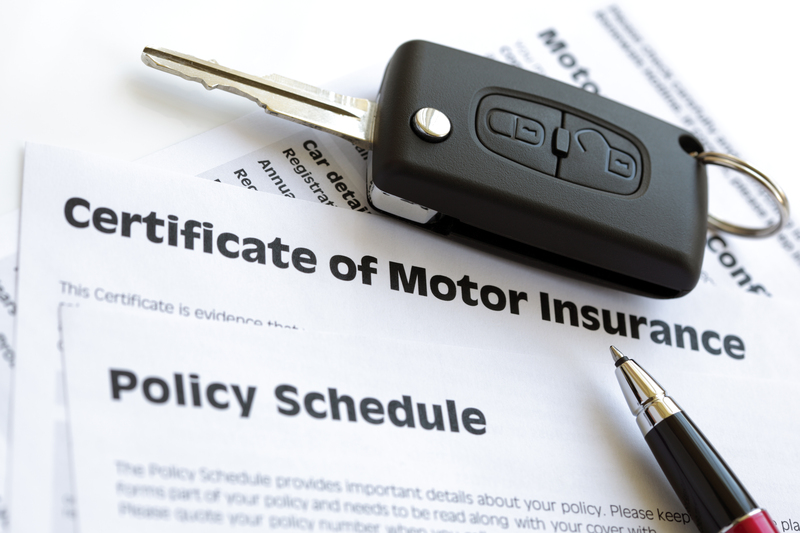
There are a few practical points worth considering before booking. Access can affect how the job is approached, as can distance from vehicle to door, the number of floors involved and whether any item needs special care. If disposal or recycling is part of your plans, that should be discussed separately so the job scope stays accurate. For related company information, our insurance and safety and recycling and sustainability pages provide further background.
We also keep the paperwork side clear. If you want to understand wider policies or conditions connected with the service, the pages for terms and conditions, privacy policy and payment and security are available on the site. For day-to-day moving questions, though, the best place to begin is still the move itself: what is being moved, where it is going and how the access needs to be handled.